

If you graduated from a California RN program, your California NCLEX application is not reviewed the moment you submit it: the Board of Registered Nursing (BRN) processes California exam applications as an entire cohort after the graduation date, in the order your school's transcripts arrive. The Board's posted timeframe for that review is 10–12 weeks, and once it makes you eligible, Pearson VUE emails your Authorization to Test (ATT) so you can book a seat.
That 10–12 week figure is the Board's own guideline from its processing times page, updated September 24, 2026, and it moves. The BRN says timeframes can vary during graduation season, which is exactly when December and spring graduates apply. This guide walks through each step, what the current numbers mean, the one deadline worth planning around this winter, and what slows applications down.
How the California NCLEX process works, step by step
The California NCLEX process has six stages, and only one of them, the Board's review, is out of your hands. Everything else is a task you can finish early or get wrong.
- Apply in BreEZe. Create a BreEZe account and choose "RN Initial Exam Application". The Board's online application instructions tell new California graduates not to submit any sooner than two weeks before their graduation date, and to pay the same day, because applications without payment are not processed. You cannot edit the application after you submit it.
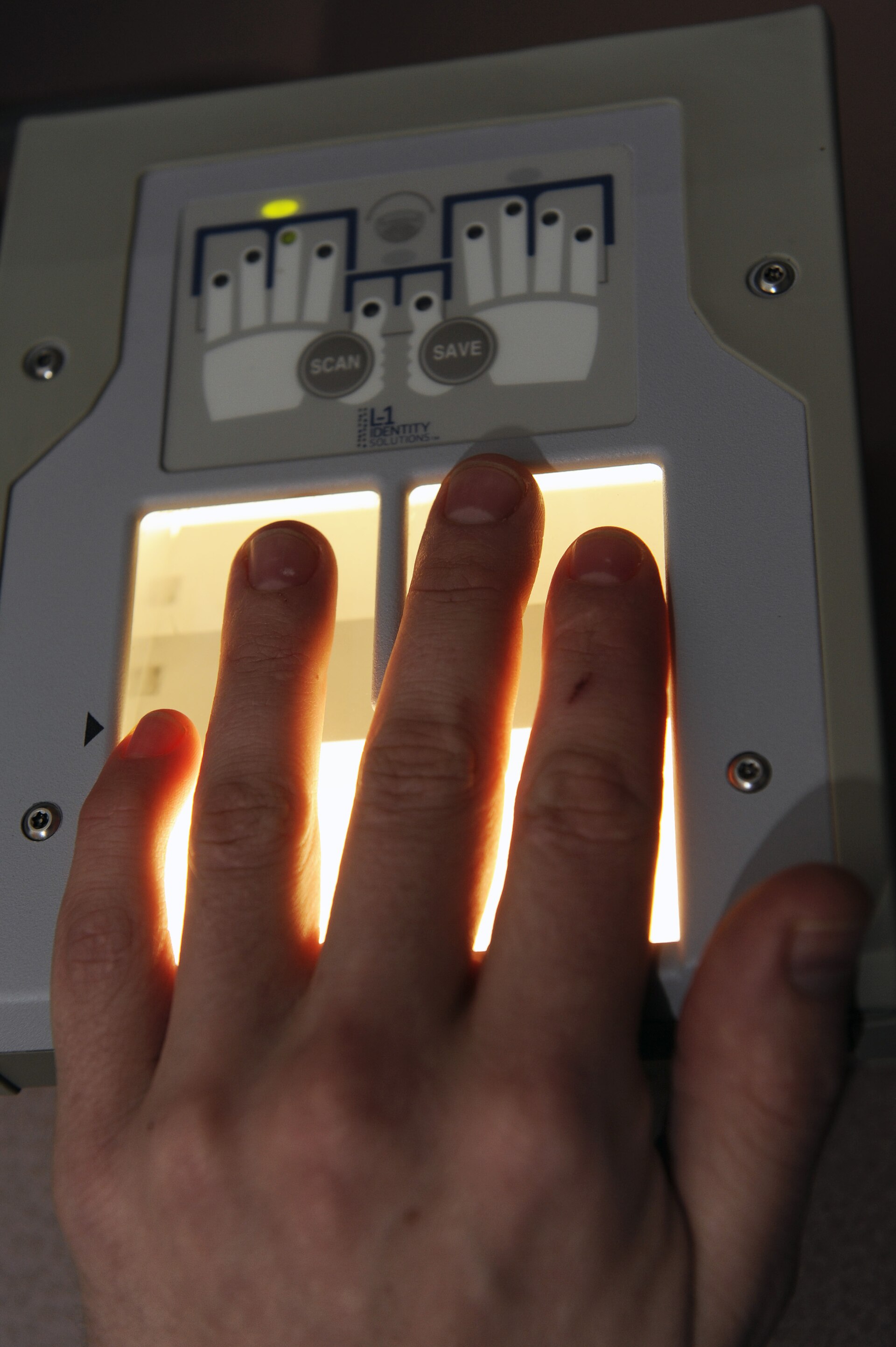
- Complete Live Scan fingerprints. The BRN requires you to apply before you are fingerprinted. After you submit, you get an email with a link to the BRN Live Scan form. Live Scan must be done at a site in California; results typically arrive within a couple of weeks.
- Let your school send the transcript. Board-approved California programs submit transcripts electronically when you finish. You do not mail anything, but it is worth confirming with your program that yours is on the list.
- Wait for the cohort review. The Board evaluates your cohort after the graduation date and works through it in the order transcripts arrive.
- Register for the NCLEX with Pearson VUE. This is a separate account and a separate fee. Registration needs your program code and a name that matches your ID exactly.
- Receive your ATT and schedule. Once the Board has made you eligible and your Pearson VUE registration is complete, the ATT arrives by email. You cannot book a test date without it.
What the BRN's 10–12 week estimate means right now
The 10–12 week figure is the Board's posted timeframe for licensure by examination, and it applies to California, out-of-state and international graduates alike. It is a guideline, not a promise: the BRN's page says applications are evaluated individually and times "can vary based on individual circumstances."
10–12 wk
posted timeframe for California exam applications
California BRN processing times, updated Sept 24, 2026
Aug 16–31
receipt dates of exam applications in process the week of Sept 21, 2026
California BRN processing times
2–3 wk
posted timeframe for NCLEX-RN results
California BRN processing times
The second column on the Board's page is the more useful one for a status check. For the week of September 21, 2026, the BRN was working on California exam applications received August 16–31, 2026. That is a snapshot of the queue, and for California graduates it matters less than for others, because your application is pulled when your cohort is processed rather than strictly by the date you hit submit.
There is one important exception. The Board's page says that if you apply after your cohort's applications have been processed, your application falls back to date-order-received processing. Applying in the two-week window before graduation is what keeps you inside your cohort.
Older Board material can confuse the picture. The general-instructions page of the Board's application packet, marked revised 6/20, suggests applying "at least six to eight weeks" before you want to test. The live processing-times page is the current number to plan around.
How long does it take to get your ATT for the NCLEX in California?
Add three pieces together: the Board's review, a short hop to Pearson VUE, and your scheduling lead time. The review is the long part. Pearson VUE sends the ATT by email once you are eligible and registered, and NCSBN's scheduling page says first-time test takers "will be offered an appointment 30 days after the request to schedule," though you may pick a later date.
Here is what that looks like for a December graduate, using an example graduation date and the Board's posted guideline. Treat the middle dates as an illustration, not a forecast: the BRN does not say its 10–12 weeks starts on graduation day, and graduation-season volume can stretch it.
Nov 27, 2026
Earliest day to submit in BreEZe
Two weeks before an example graduation on Friday, December 11, 2026. Pay the same day, then book Live Scan when the form arrives.
Dec 11, 2026
Example graduation date
Your program sends the transcript electronically; your cohort enters the Board's queue.
Jan 31, 2027
Last day to register for the NCLEX at $200
NCSBN charges the current fee for registrations completed before February 1, 2027.
Feb 19 – Mar 5, 2027
Eligibility, if 10–12 weeks ran from graduation
Illustration only. When the Board makes you eligible, Pearson VUE emails the ATT.
Spring 2027
Test day
Schedule as soon as the ATT arrives and test inside its validity dates.
Should you register with Pearson VUE before February 1, 2027?
For many December graduates, yes, and it is worth deciding on purpose. NCSBN announced on August 21, 2026 that the NCLEX registration fee rises to $350 in the United States for registrations completed on or after February 1, 2027; anyone who registers before then pays the current $200. "The exam date does not affect the fee," and the change applies to retakes too. It is the first change to the fee since 2000.
If your eligibility lands in late February or March, waiting to register until then would cost you $150 more. Registering in January avoids that, and the registration rules give you room: a registration stays open 365 days waiting for your Board to make you eligible.
Weigh three cautions before you pay:
- The BRN's application packet says the Board "encourages candidates to wait until they are made Board eligible before registering," because a registration that is not made eligible within 365 days is forfeited along with its fee. If your file involves prior discipline or convictions, which the Board says can delay processing, that risk is higher.
- You cannot hold two NCLEX registrations of the same type at once. A second one is denied and its fee is not refunded.
- Your first and last name at Pearson VUE must match your ID and the name on file with the Board exactly.
What happens after your ATT arrives
Book your appointment right away. NCSBN warns that waiting "may significantly limit the selection of dates," and that if your ATT is close to expiring, test centers may not be able to seat you in time, which means reregistering and paying again.
Each ATT is valid for a period set by the nursing regulatory body; NCSBN puts the average at 90 days, and the dates "cannot be extended for any reason." The exact window is printed on your ATT email, so read it the day it arrives.
Schedule online through Pearson VUE; NCSBN recommends online over the phone because of call volume. To change an appointment, do it at least one full business day ahead; for Saturday, Sunday or Monday exams, that means by the Friday before. Missing an appointment forfeits the fee and invalidates the ATT.
First-time California candidates can request an Interim Permit ($100) on the application. It is issued 24–48 hours after your exam application is approved, but only once fingerprint results are in. It lasts up to six months, requires an RN present on the unit, and ends immediately if you fail.
California candidates can buy Quick Results from Pearson VUE to see unofficial results two business days after the exam. The Board's posted timeframe for official NCLEX-RN results was 2–3 weeks as of September 24, 2026.
What slows a California NCLEX application down
Most delays fall into a short list, and the Board names several of them itself. In its FAQ, the BRN says processing depends on when it receives documents from schools, and that prior convictions and special testing accommodations can add time.
- Applying late. Miss your cohort and you drop to date-order processing.
- Unpaid or incomplete applications. No payment means no processing, and you cannot edit after submitting.
- Fingerprints. Live Scan done outside California cannot reach the Board. Hard cards "may take several weeks to a few months." An "unmatched record" from a typo in your name, birth date or Social Security number holds your license until it is fixed.
- Name mismatches. Your name must match exactly across Board documents, Pearson VUE, your photo ID and your ATT.
- Accommodations and prior discipline. Attach the accommodation request form or discipline documents to the online application; the Board says this reduces deficiency letters.
How to check your BRN application status
Check status online rather than by phone. The BRN's Application Status and Details portal tracks NCLEX exam applications and shows whether your file has a deficiency and what you need to do about it. Most fingerprint results connect to your BreEZe account automatically, and the Board's fingerprint page says Live Scan results often appear there within 72 hours.
If the status shows a deficiency, fix it the same day: upload documents through "Submit Additional Documents" in BreEZe. If you have heard nothing and are past the posted timeframe, that is the point to contact the Board.
Use the wait to practice in the real format
The weeks between graduation and your ATT are the most predictable study block you will get. A steady routine of NCLEX-style questions, with time spent on why each wrong option is wrong, is a better use of them than rereading notes.

Frequently asked questions
How long does it take to get ATT for NCLEX in California?
The Board of Registered Nursing's posted timeframe for California exam applications was 10–12 weeks as of September 24, 2026, and California graduates are processed as a cohort after graduation in order of transcript arrival. Pearson VUE emails the ATT once the Board makes you eligible and your NCLEX registration is complete. Graduation-season volume, fingerprints and missing documents can make it longer.
How do I check my BRN application status?
Use the BRN's Application Status and Details portal, which shows whether your application has a deficiency and what to do about it, or log in to your BreEZe account to follow its progress. The Board asks you not to call while you are inside the posted processing timeframe, because that can slow things down.
When can I apply for the NCLEX in California?
New California graduates should submit the BreEZe exam application no sooner than two weeks before their graduation date. Applying in that window keeps you in your cohort; if you apply after your cohort has been processed, your application is handled in date order received instead.
How long is an NCLEX ATT valid?
The validity window is set by the nursing regulatory body and printed on your ATT email. NCSBN says the average ATT lasts 90 days and that the dates cannot be extended for any reason, so schedule as soon as it arrives.
Does the California BRN handle the NCLEX-PN?
No. The BRN licenses registered nurses. Licensed vocational nurses in California, who take the NCLEX-PN, are licensed by a separate agency, the Board of Vocational Nursing and Psychiatric Technicians (BVNPT), which has its own application process.
Can I work while I wait for my NCLEX results in California?
Only with an Interim Permit, which first-time candidates request on the exam application for $100. It is issued after your exam application is approved and fingerprint results are in, requires a registered nurse present on the unit, lasts up to six months and ends immediately if you fail the exam.
Sources
- California Board of Registered Nursing — Processing Times (updated September 24, 2026), accessed October 2, 2026.
- California Board of Registered Nursing — Licensure by Examination, accessed October 2, 2026.
- California Board of Registered Nursing — Online RN Initial Exam Application Instructions (PDF), accessed October 2, 2026.
- California Board of Registered Nursing — Examination Application Fees & Instructions (PDF), accessed October 2, 2026.
- California Board of Registered Nursing — Applicant FAQs, accessed October 2, 2026.
- California Board of Registered Nursing — Applicant Fingerprint Information, accessed October 2, 2026.
- California Board of Registered Nursing — Fee Schedule, accessed October 2, 2026.
- California Board of Registered Nursing — Application Status and Details, accessed October 2, 2026.
- NCSBN — NCLEX Fee Changes Feb. 1 (posted August 21, 2026), accessed October 2, 2026.
- NCSBN — NCLEX Fees & Payment, accessed October 2, 2026.
- NCSBN — NCLEX Registration, accessed October 2, 2026.
- NCSBN — NCLEX Scheduling, accessed October 2, 2026.
- NCSBN — NCLEX Register (Authorization to Test) and NCLEX FAQs, accessed October 2, 2026.
- California Board of Vocational Nursing and Psychiatric Technicians, accessed October 2, 2026.