Preparing for the ATI TEAS exam is a big step toward entering nursing school. The test is designed to measure essential skills in Reading, Mathematics, Science, and English and Language Usage. Many students feel lost at the start because the content is broad and time is limited. A structured six week study plan is one of the most effective ways to manage preparation.
By dividing the material into weekly segments, you focus on one area at a time while still keeping balance across all four sections. This article explains how a six week plan works and provides a breakdown of what to study each week.
Why a Six Week Study Plan Works
Enough Time Without Losing Focus
Six weeks is long enough to review each section thoroughly but short enough to stay motivated. Stretching preparation over many months can lead to procrastination. Six weeks gives urgency without panic.
Realistic Daily Commitment
The plan requires two to three hours of study on most days. This is manageable even if you have a job or family obligations. The key is to stay consistent rather than overloading yourself.
Built In Practice Tests
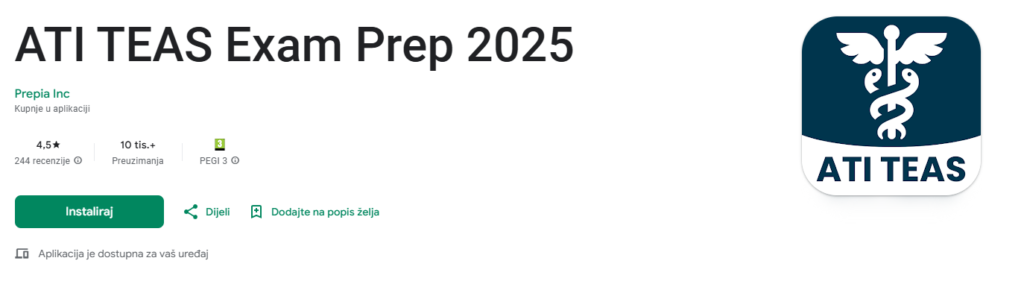
The structure includes practice exams at the start and end of the schedule. These measure progress and show you which areas need extra attention. Many students use tools like the Prepia app to take timed TEAS practice tests and track their improvement over the six weeks. The app is available on both the App Store and Google Play, making it easy to study consistently across devices.
Week 1: English and Language Usage
The first week builds a foundation in grammar, punctuation, and vocabulary. These skills may seem small but they influence how you understand and answer questions throughout the exam.
Review Grammar Rules
Go over subject verb agreement, pronoun use, and modifiers. Misplaced or inconsistent grammar is a common test challenge.
Practice Sentence Structure
Work with short exercises that ask you to correct fragments, run on sentences, or misplaced phrases.
Strengthen Vocabulary
Create flashcards with new words. Try to use them in sentences so that the meaning becomes natural.
Pay Attention to Punctuation
Focus on commas, apostrophes, and quotation marks. These details often appear in multiple choice questions.
Week 2: Reading
The second week is dedicated to reading comprehension. Strong reading skills help you analyze passages quickly and identify key information.
Identify Main Ideas
Practice reading short passages and writing down the central message in one sentence.
Distinguish Supporting Details
Highlight the facts or examples that reinforce the main idea. This makes it easier to answer inference questions.
Work With Informational Texts
Since TEAS passages are often non fiction, read articles, reports, or essays instead of fiction.
Use Timed Drills
Set a timer and complete short sets of questions. This trains you to manage time on the actual exam.
Week 3: Mathematics Fundamentals
Mathematics can feel intimidating but week three focuses on building confidence step by step.
Refresh Core Skills
Review fractions, decimals, and percentages. Practice converting between them until it feels automatic.
Ratios and Proportions
Solve problems that involve comparisons, such as dosage calculations.
Basic Algebra
Work with equations that include variables. Learn to isolate the variable and check your answers.
Problem Solving Without a Calculator
The TEAS only provides a basic calculator. Practice doing calculations by hand so that you do not waste time during the test.

Week 4: Science – Anatomy and Physiology
Science is the most extensive part of the exam. Week four begins with anatomy and physiology, which require memorization and understanding.
Study Each System Separately
Focus on circulatory, respiratory, digestive, nervous, and urinary systems. Break them down into smaller topics.
Learn Organ Functions
Understand not just where organs are located but what they do.
Connect the Systems
For example, review how the respiratory system and circulatory system depend on each other.
Use Visual Aids
Diagrams and charts are effective. Redraw them from memory to test your knowledge.
Week 5: Science – Biology and Chemistry
The fifth week continues with science but shifts toward biology and chemistry.
Cell Biology
Review the structure of cells, organelles, and processes like mitosis.
Genetics
Understand inheritance patterns, Punnett squares, and the roles of DNA and RNA.
Chemistry Basics
Learn about atomic structure, types of bonds, and chemical reactions.
Scientific Reasoning
Practice interpreting data from charts and short experiment descriptions.
Week 6: Final Review and Practice Exams
The last week brings everything together. This is about applying knowledge, reviewing weak points, and simulating test conditions.
Take a Full Length Practice Test
Complete at least one full exam with a timer. This shows how well you can manage time and stress.
Analyze Mistakes
Do not just check your score. Review wrong answers and revisit those topics in detail.
Daily Flashcard Review
Go through vocabulary, formulas, and key concepts every day. Short reviews keep the material fresh.
Practice Relaxation and Timing
On exam day, stress management matters as much as knowledge. Use breathing exercises or short breaks during practice to build calm habits.
A Daily Routine That Supports the Plan
A daily routine supports the six week plan. Start with a short review of notes from the previous day, then spend about an hour on new material. Follow this with practice questions and finish with flashcards or summaries. This structure keeps study sessions varied and engaging.
Consistency is the real key to success. Treat study time like a class you cannot miss. Even on busy days, dedicate at least twenty minutes to review. Small steps add up and prevent the stress of falling behind.

Final Thoughts
The TEAS exam is a challenge, but it does not have to feel overwhelming. A six-week study plan provides structure, balance, and a clear path forward. Each week builds on the last, covering English, Reading, Mathematics, and Science in a logical order. The final week focuses on review and practice tests, so you walk into the exam prepared and confident.
Preparation apps like Prepia can greatly simplify this process by helping students organize their study schedule, track progress, and access realistic TEAS practice tests. The app is available on both the App Store and Google Play, making it easy to stay consistent anywhere.
With steady effort and commitment, six weeks is enough to turn anxiety into readiness and make exam day a chance to demonstrate your skills. This approach not only prepares you for the TEAS but also develops study habits that will be valuable in nursing school and beyond.